
5 Signs Your Office Needs Acoustic Panels
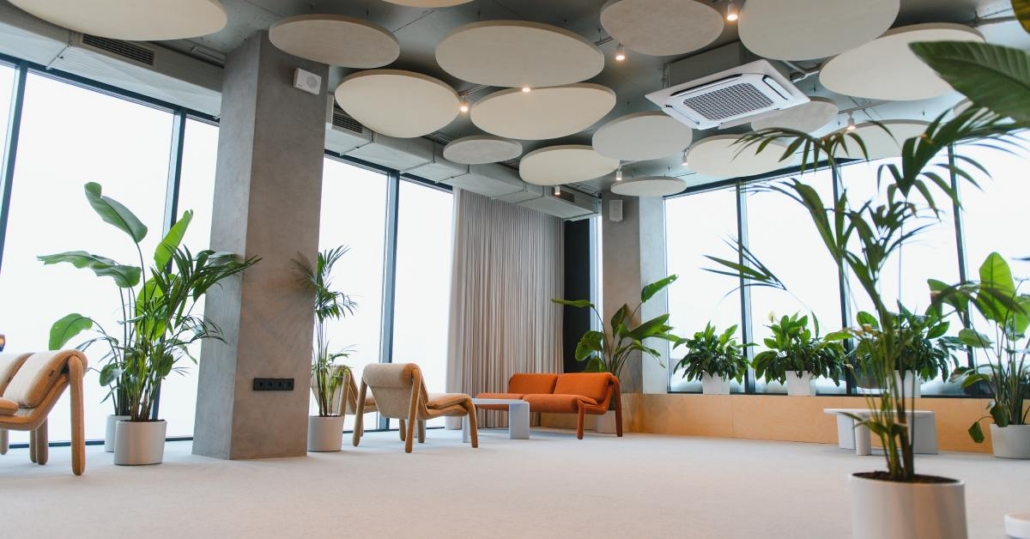
Open offices encourage collaboration, but they also introduce new challenges, such as noise. Conversations, ringing phones, and shared spaces can quickly create distractions that impact productivity and comfort. Teams often accept this noise as normal, even when it affects focus and workflow.
Many workplaces begin searching for solutions after they notice signs that their office needs acoustic panels. With the right placement, acoustic panels can transform how a workspace feels and functions.
What Acoustic Panels Actually Do
Acoustic panels absorb sound waves that reflect within a room. Hard materials like glass, concrete, and laminate reflect sound, increasing echo and noise. These panels help minimize these reflections, creating a calmer environment.
As a result, teams have clearer conversations, fewer disruptions, and more comfort in the workspace. Moreover, acoustic panels fit well with modern designs that focus on flexibility and teamwork.
1. Conversations Travel Across the Entire Office
When employees hear conversations from across the room, the space probably lacks sound absorption. Noise travels easily in open offices, with no barriers or acoustic materials.
Sound-absorbing panels help contain conversations close to their source. Teams can collaborate openly without disturbing nearby workstations. This simple change improves both communication and focus.
2. Employees Struggle to Focus
Constant background noise makes it hard for employees to stay focused, as even low sounds can break concentration during demanding tasks.
Over time, these distractions reduce productivity and cause frustration, leading teams to rely on headphones to get through routine work. These signs often indicate that your office could benefit from acoustic panels, especially in open-plan settings.
3. Meeting Rooms Have Noticeable Echo
Conference rooms should facilitate clear communication. Echoes hinder meetings by making it difficult to follow conversations, causing participants to repeat themselves and leading to fatigue during discussions. Acoustic panels help reduce echo and balance sound levels, resulting in more intelligible and comfortable conversations.
4. Phone Calls Disrupt Nearby Workstations
Phone calls often disrupt offices, carrying across desks if uncontrolled. Acoustic panels absorb voice frequencies, reducing sound travel. Employees can handle calls without disturbing others, supporting productivity in shared spaces.
5. The Office Feels Loud Even When Few People Are Talking
Some offices seem noisy even with low activity because sound bounces off hard surfaces rather than being absorbed. Features like high ceilings, glass walls, and large open floors intensify this effect, making the environment feel louder than the actual number of people there.
These conditions clearly signal that your office needs acoustic panels to help balance the sound environment.
Where Acoustic Panels Work Best
Acoustic panels work well in several areas throughout an office. Strategic placement delivers the best results without overwhelming the space visually.
Common installation locations include:
- Open workstations
- Meeting rooms
- Collaboration zones
- Reception areas
- Hallways and shared corridors
Designers often integrate panels directly into the overall office layout to maintain a cohesive aesthetic.
Acoustic Design Works Best With Intentional Planning
Sound management should support a workspace’s overall layout. Acoustic panels are most effective when designers consider workflow, collaboration zones, and quiet areas early. Planning these elements from the start helps create environments that promote communication and focus. Acoustic materials blend seamlessly into modern designs while enhancing employees’ daily experience.
Organizations exploring corporate office furniture design solutions often benefit from professional planning to integrate acoustics with furniture, layout, and workflow. Get in touch with our team today to discover more about workspace planning.


