
A Look at Structural Adaptations for Open-Plan Offices
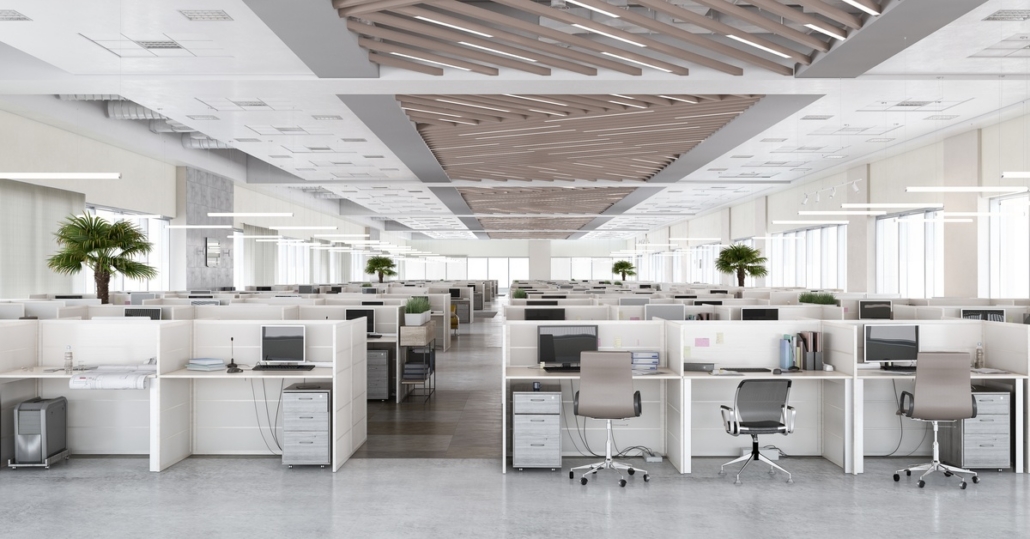
Open-plan workplaces continue shaping how teams collaborate, focus, and move through shared space. Rather than relying on static layouts, many organizations adopt adaptive structures that respond to growth, shifting work styles, and evolving expectations regarding privacy.
This design focuses on how walls, partitions, ceilings, and pathways support function without making the workplace feel rigid. These elements guide movement, delineate areas, and control acoustics while maintaining an open, visually appealing space. Together, these choices form the foundation for the planning ideas discussed in the following sections.
Keep reading as we take a closer look at structural adaptations for open-plan offices and clarify how physical adjustments influence daily workflows, acoustic comfort, and long-term flexibility.
Why Structure Shapes Open-Plan Performance
Open environments thrive or struggle based on physical organization. Clear pathways reduce congestion and interruption. Defined zones support varied tasks without fragmenting the floorplate. Structural decisions influence how people interact with space throughout the day.
Poorly planned layouts encourage noise bleed and visual distraction. Thoughtful structural planning counters those pressures through strategic separation and flow control. As a result, teams gain spaces that support focus alongside collaboration.
Zoning Without Closing Off Space
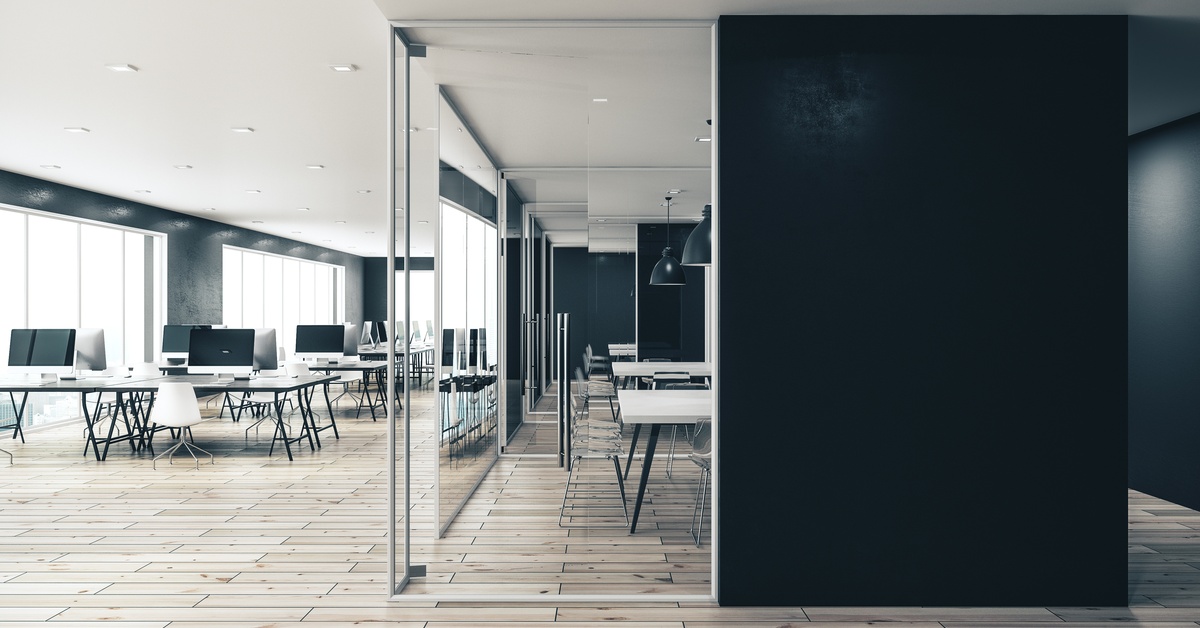
Zoning anchors open offices. Partial-height walls, framed openings, and architectural screens divide space while preserving sightlines. These features guide behavior without imposing isolation.
Designers frequently organize zones around task intensity. Focus areas benefit from greater separation, while collaborative zones welcome openness. Structural cues communicate purpose through form rather than signage.
Quick zoning considerations:
- Align circulation paths with natural entry points
- Separate high-traffic routes from focus zones
- Use architectural breaks to signal transitions
Acoustic Control Through Structural Choices
Sound management ranks among the strongest drivers behind structural adaptation. Open offices amplify noise through hard surfaces and uninterrupted spans. Structural elements interrupt that spread.
Ceiling treatments, vertical panels, and integrated baffles absorb sound while reinforcing visual order. Strategic placement matters more than volume. Sound control improves concentration and reduces fatigue across teams.
Flexibility Through Modular Construction
Growth and reorganization demand flexibility. Modular wall systems and movable partitions support change without major disruption. These systems allow teams to reshape space as needs shift.
Modularity supports phased expansion and seasonal adjustment. Instead of permanent construction, organizations gain adaptable frameworks that respond to evolving headcounts and workflows.

Circulation That Supports Workflow
Movement patterns significantly influence how individuals experience open office environments. Thoughtful structural planning facilitates smooth circulation through corridors, intersections, and shared zones, guiding occupants naturally and efficiently. Clear, well-defined pathways minimize disruptions, making navigation intuitive and seamless.
Effective circulation design also strategically separates foot traffic from work zones to enhance focus and safety. Additionally, aligning entrances, amenities, and workstations structurally strengthens the overall flow, reducing friction and creating a more harmonious workspace.
Visual Privacy Without Isolation
Visual privacy enhances concentration while preserving an open environment. Architectural features such as slatted screens, translucent panels, and staggered wall planes are used strategically to block direct sightlines, providing privacy without creating a closed-off feeling.
These elements also allow natural light to pass through, creating a bright and airy environment. Such design decisions foster comfort and focus, giving teams well-defined boundaries that seem intentional and considerate rather than limiting. This approach supports both collaboration and individual work while preserving privacy.
Material Selection as Structural Strategy
Materials significantly influence performance, just as much as layout. Dense, sound-absorbing surfaces, such as acoustic panels and carpeting, improve acoustics by reducing echo and noise levels. Textured finishes not only minimize glare but also add visual interest and reduce reflections that can cause visual discomfort. Structural elements, like beams and walls, serve dual roles by contributing to the building’s aesthetics and supporting acoustic performance, for instance, by providing sound barriers or diffusion.
Using consistent materials across partitions and ceilings fosters a sense of unity and coherence within the space. At the same time, intentional variations in materials and finishes signal functional changes, such as distinct zones for work, relaxation, or collaboration, thereby guiding occupants smoothly without abrupt contrasts.
Materials That Support Open-Plan Structures
Your material choices influence how open offices manage sound, light, and visual separation. Choosing finishes with a clear structural purpose helps preserve openness, support daily work routines, and maintain spatial clarity.
Effective materials for open-plan layouts include:
- Fabric-wrapped acoustic panels
- Slatted wood systems
- Laminated or frosted glass panels
- Acoustic ceiling tiles
- Felt or fiber wall surfaces
Together, these materials support spatial definition without closing off the floor, preparing the space for the structural and technical considerations that follow.
Integrating Technology Into Structural Planning
Open offices depend heavily on advanced technology to facilitate effective communication and enhance overall productivity. Structural planning is essential to seamlessly integrate electrical power, data connections, and display systems throughout the space. Concealed pathways and channels help maintain clean, uncluttered lines along walls and ceilings while ensuring all connectivity needs are met without exposed wiring.
Early coordination between the architectural structure and the technological infrastructure minimizes the need for costly retrofits and reduces visual clutter. This proactive approach allows office spaces to retain a high level of flexibility for future changes or reconfigurations without compromising performance or aesthetic appeal.
Planning for Long-Term Adaptation
Structural adaptation plays a crucial role in ensuring the longevity and resilience of office environments. As organizations expand, downsize, or shift their strategic focus, office layouts and infrastructure must evolve accordingly. Proactive planning that anticipates future changes can significantly reduce operational disruptions and associated costs.
Implementing scalable frameworks allows businesses to reconfigure space efficiently, avoiding expensive and lengthy full renovations. By employing structural foresight, companies can safeguard their initial investments and remain operationally flexible. This enables quick adaptation to evolving business requirements and technological progress.
Planning Open Offices With Purpose
Workplaces benefit from structural strategies that balance openness with function. Viewed through this lens, the structural adaptations that support open-plan offices reveal how thoughtful planning connects physical form with daily experience. Organizations seeking lasting results should consider collaborating with office design consultants who guide layout, structure, and material decisions throughout the planning process.
Ready to transform your workspace? Explore how professional insight supports adaptable workplaces by connecting with those who align structure with business goals. Contact our team today at Central Oregon Office Interiors to schedule a conversation about workspace planning that supports growth, clarity, and long-term flexibility.


