
Category: Blog
-
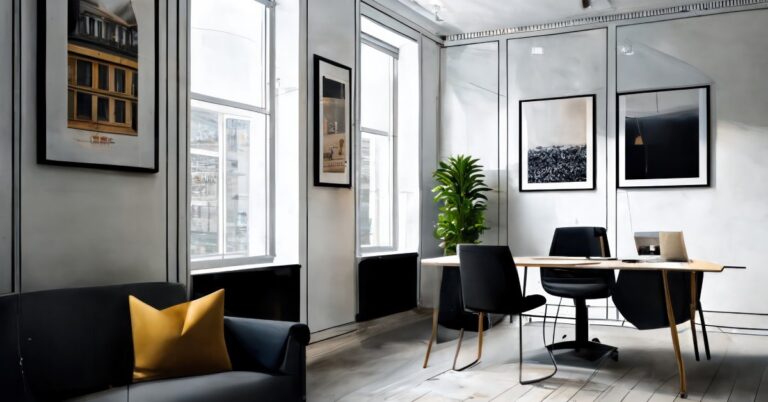
Flexible Office Design: What It Is and Why It’s Beneficial
Flexible office design redefines the workplace by fostering adaptability, collaboration, and efficiency. Learn how it can transform your workspace.
-
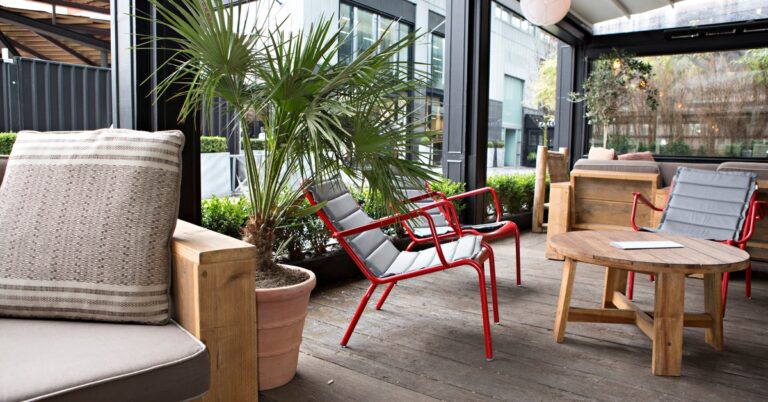
How To Turn Your Office’s Outdoor Space Into a Work Utopia
Create a seamless blend of productivity and nature with our guide on transforming your office’s outdoor space into an inspiring work environment.
-

Office Space: What Are Sociopetal and Sociofugal Spaces?
Discover the difference between sociopetal and sociofugal spaces in office design and their impact on productivity and employee well-being.


Let’s design a workspace your team will love
Book a free design consultation with our Bend workplace consultants. We’ll bring finishes, fabrics and ideas to you — anywhere in Central Oregon.